



African football is preparing for a potentially historic decision as the Court of Arbitration for Sport (CAS) prepares to deliver its ruling on Senegal’s appeal against the Confederation of African Football’s decision to strip the country of its 2025 Africa Cup of Nations title and award it to Morocco.
The verdict is expected on Tuesday afternoon, 24 November, following months of legal proceedings that have placed one of African football’s most controversial finals under international scrutiny.
At the centre of the dispute is Senegal’s victory over Morocco in January’s final in Rabat, a match that ended 1–0 after extra time but was later overturned by CAF’s Appeals Board.
How the controversy began
Senegal originally won the final through a decisive extra-time goal from Pape Gueye, securing what appeared to be another historic African championship for the Teranga Lions.
However, the match was overshadowed by dramatic scenes late in normal time after referee Jean-Jacques Ndala awarded Morocco a penalty.
Senegal’s players protested the decision and temporarily left the pitch for approximately 14 minutes before eventually returning to continue the match.
Morocco subsequently missed the penalty through Brahim Díaz, and the game proceeded into extra time, where Senegal scored the decisive goal.
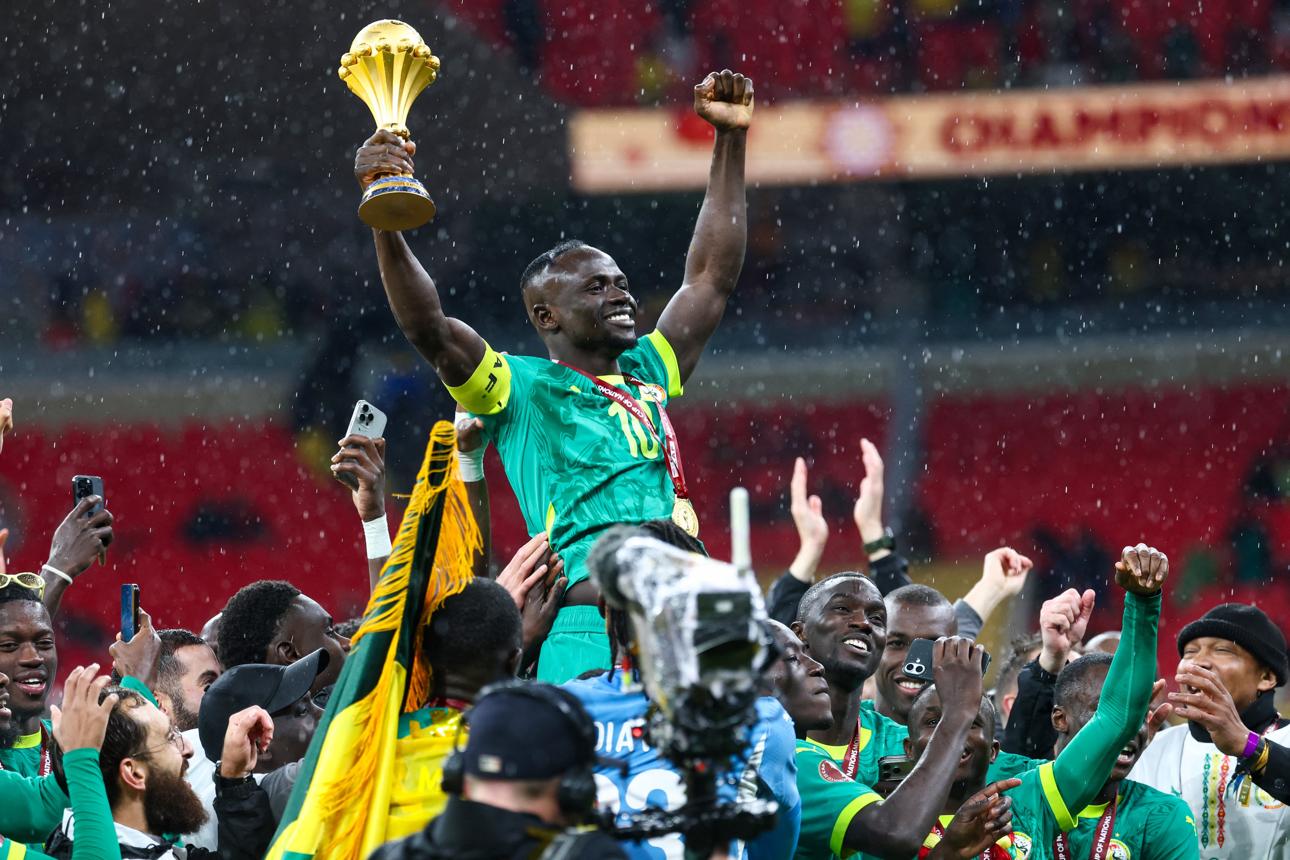
The Senegalese team celebrated their victory and lifted the trophy.
CAF overturns the result
The dispute continued after the final whistle, with Morocco challenging the circumstances surrounding the match.
CAF’s Disciplinary Committee initially imposed sanctions relating to the walk-off incident.
However, its Appeals Board later ruled that Senegal had forfeited the final and awarded Morocco a 3–0 victory.
The ruling effectively transferred the continental title from Senegal to Morocco, creating significant debate across African football.
Senegal subsequently appealed the decision to CAS, arguing that the match had been allowed to continue by the referee and that the original result should stand.
CAS prepares its final decision
The appeal was heard in Lausanne, Switzerland, on 8 October 2026, with representatives of Senegal, Morocco and CAF presenting their arguments.
Although an early decision had initially been anticipated, CAS opted to prepare a full award containing its legal reasoning.
In a statement issued on Monday, 23 November, the court confirmed that all parties had been notified that the decision would be delivered on Tuesday afternoon.
As of Tuesday morning, the final ruling had not yet been announced.
What happens if Senegal or Morocco wins?
The outcome will have significant consequences for African football.
Should CAS uphold Senegal’s appeal, CAF’s decision to award the title to Morocco could be overturned, potentially restoring the championship to the original winners.
Should the court dismiss the appeal, Morocco’s status as the officially recognised 2025 AFCON champions would stand.
Beyond the trophy itself, the decision could influence future disciplinary procedures, tournament regulations and how football governing bodies manage disputes involving player protests and match interruptions.
A defining moment for African football
This case has attracted enormous attention because of the prestige attached to the Africa Cup of Nations and the importance of maintaining confidence in the competition’s governing structures.
For supporters in Senegal and Morocco, the decision represents more than a legal dispute. It concerns national sporting pride and the recognition of a continental championship.
For CAF, the outcome could shape how its disciplinary and appeals processes are viewed internationally.
Freekick442 Verdict: Whatever the outcome, African football needs a clear, transparent and well-reasoned decision. The final ruling must provide clarity not only to the two countries involved but also to every national federation competing under CAF.
The continent’s most prestigious national football competition cannot afford prolonged uncertainty over the identity of its champions.