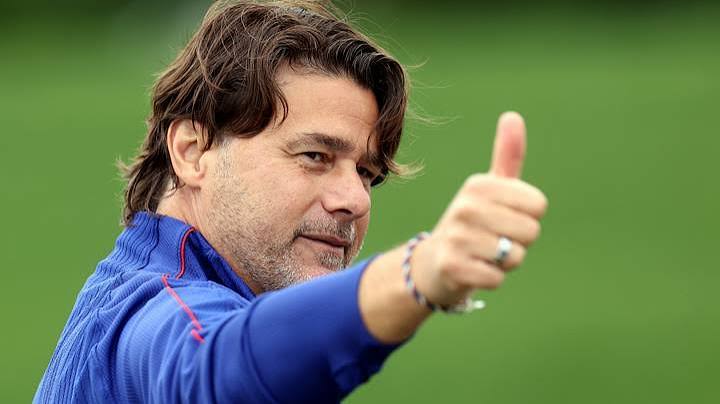



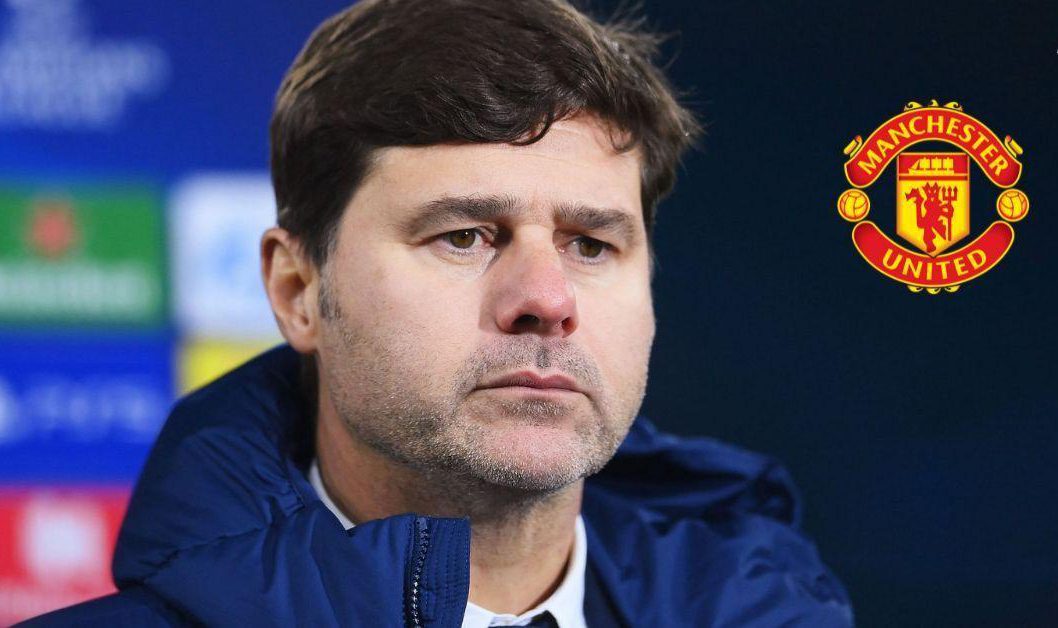
Manchester United have turned to Mauricio Pochettino in their latest attempt to restore the club’s position among English football’s leading sides, confirming the Argentine as their next men’s first-team head coach following Michael Carrick’s departure.
The appointment, announced on Friday, 13 November, represents another significant change at Old Trafford as United seek to end a difficult period and establish a more consistent direction.
Pochettino is scheduled to officially begin his new role on 18 November after completing his outstanding responsibilities with the United States men’s national team.
Manchester United have reached an agreement with the U.S. Soccer Federation to release the Argentine and members of his coaching staff following their international commitments.
A proven Premier League manager returns to England
Pochettino arrives with considerable experience in English football, having previously managed Southampton, Tottenham Hotspur and Chelsea.
His most successful Premier League period came at Tottenham, where he transformed the club into regular Champions League contenders.
During five full seasons in charge, he guided Spurs to four consecutive Champions League qualifications and led the club to the 2019 Champions League final.
His teams became particularly recognised for their energetic pressing, attacking movement, physical intensity and commitment to developing young players.
Those qualities are among the reasons Manchester United believe he can provide the leadership and tactical identity required for their rebuilding project.
What can Pochettino bring to Old Trafford?
The appointment creates an opportunity for United to move towards a more clearly defined playing philosophy.
Pochettino’s previous teams have generally favoured aggressive pressing, quick transitions and coordinated movement between midfield and attack.
At Manchester United, implementing those principles will require significant work, particularly with a squad that has struggled to produce consistent performances.
His experience working with developing players could also prove important as the club looks to get more out of its younger talent.
However, the pressure will be considerable. United supporters will expect more than an improved playing style; they want results, competitive performances and a genuine challenge for major honours.
A demanding challenge awaits
Pochettino’s immediate task will be to assess the squad, identify its weaknesses and establish a system capable of producing results.
His previous experience at Tottenham demonstrates that he can build competitive teams without relying exclusively on expensive transfers.
However, Manchester United is a different environment, with greater expectations, considerable media attention and pressure to deliver success quickly.
The club’s management will also need to provide the stability and recruitment support necessary for the new head coach to implement his vision.
The appointment is a significant statement of intent, but the real test will come when Pochettino takes charge of his first matches.
For Manchester United, this is another opportunity to rebuild. For Pochettino, it is arguably one of the biggest challenges of his managerial career.